Klaviyo Alternative for Small Shopify Stores: When Switching Makes Sense
Klaviyo bills on active profiles, so small stores pay for the size of their list, not the work their emails do. Here is when a Shopify-native flow tool is the better fit, and when it is not.
11 min read
Shopify's built-in email tool is Shopify Messaging. Klaviyo is the platform many stores move to when they want more, and for good reason: it is deep, reliable and built for ecommerce. But popular is not the same as right for your store. If you run a small or growing Shopify store, there is a good chance you are paying for a marketing platform when what you actually use is five or six automated flows.
This guide is for that situation. We look at what Klaviyo costs a small store in 2026, what a small store really needs from email, the realistic alternatives, and a safe way to switch without losing revenue.
💡
Short version: below roughly 2,000 active profiles, Klaviyo is not expensive and switching for price alone rarely pays off. Above that, if most of your email revenue comes from flows rather than newsletters, a flow-focused tool that bills on sends instead of contacts can cut your bill noticeably, and by half once you pass about 5,000.
Why small stores look for a Klaviyo alternative
You pay for your list, not your results
Since February 2025, Klaviyo bills on active profiles: every contact you can still reach counts toward your tier, whether you email them this month or not. Each paid tier includes roughly 10 times your profile count in monthly sends.
Here is what the Email plan costs at typical small store sizes, based on Klaviyo's public pricing in 2026:
| Active profiles | Klaviyo Email plan (per month) |
|---|---|
| Up to 250 | Free (500 sends per month) |
| 500 | $20 |
| 1,000 | $30 |
| 2,500 | $60 |
| 5,000 | $100 |
| 10,000 | $150 |
Klaviyo adjusts tiers from time to time, so check the live calculator on klaviyo.com/pricing before you budget.
The problem for a small store is not the entry price. It is that the bill grows with every signup, every checkout and every imported contact, even when those people never open an email. A store that collects emails at checkout can double its Klaviyo bill in a year without sending a single extra campaign.
You pay for features you do not use
A lot of small stores on Klaviyo use the same short list: a welcome series, abandoned cart, maybe browse abandonment, a post-purchase email and a winback. SMS, popups, reviews, predictive analytics and the advanced reporting add-ons sit unused, but the platform, its learning curve and its separate dashboard come along anyway.
Email lives outside Shopify
Klaviyo is a separate app with its own login, its own customer records and its own sync. That is fine for a marketing team. For a founder who also handles orders, suppliers and support, it is one more place to check.
What a small Shopify store actually needs from email
Before comparing tools, list what you actually run. For most stores under 10,000 contacts, the flows that earn money are:
- A welcome email or short welcome series for new subscribers
- Abandoned cart recovery that stops as soon as the customer buys
- Browse abandonment for visitors who viewed products but did not add to cart
- A post-purchase email (thank you, how-to, cross-sell)
- A winback email for customers who have not ordered in 60 to 120 days
- Back in stock or restock reminders if you sell limited inventory
Then the basics that protect deliverability: your own sending domain with DKIM and SPF, one-click unsubscribe, and respect for Shopify marketing consent. We covered why these matter in our Shopify email deliverability guide for BFCM.
If that list matches your store, you do not need a full multi-channel ESP. You need good flows, inside Shopify, at a price that does not climb with every signup.
The realistic options for a small store
There are dozens of Klaviyo alternatives on the App Store. For a small Shopify store, three options cover most real decisions.
Shopify Messaging (formerly Shopify Email)
Shopify's own tool is free to install, includes 10,000 emails per month on the Basic, Grow, Advanced and Plus plans, then charges $1 per 1,000 extra emails. Abandoned checkout automations do not count toward the free allowance.
It is the cheapest option by far and it lives in your admin. The trade-off is depth: flow logic, segmentation and post-send actions are simpler, and operational notifications (supplier, warehouse, 3PL) need a separate tool such as Shopify Flow. For a store sending a monthly newsletter and a basic abandoned checkout flow, it is often enough.
Klaviyo
Still the strongest all-in-one platform: email, SMS, popups, reviews, predictive analytics and a huge integration library. If you run a busy campaign calendar, rely on SMS or have a dedicated marketer, Klaviyo earns its price. The question is only whether you use enough of it.
EmailOS
EmailOS is the Shopify app we built for stores that need serious email flows without a heavy ESP. It runs inside Shopify admin, uses Shopify events as triggers, and bills on flows and email volume, not contacts:
| Plan | Price | Flows | Emails included | Sending domain |
|---|---|---|---|---|
| Free | $0 | 3 | 1,000 per UTC month | Shared EmailOS domain |
| Plus | $49 | 10 | 10,000 per billing period | Your own domain |
| Pro | $99 | 50 | 50,000 per billing period | Your own domain |
It covers the flows listed above with a drag-and-drop builder, Shopify product and discount pickers, reusable AND/OR segments, and analytics with 7-day last-touch revenue attribution. Purchases stop recovery sequences automatically, so nobody gets a cart reminder for an order they already placed.
⚠️
EmailOS is built around automated flows. It does not do SMS, popups, review collection or list-growth forms. If those are central to your marketing, Klaviyo or a dedicated app for each is the better choice.
Cost comparison at small store sizes
Because Klaviyo bills on contacts and EmailOS bills on sends, the comparison depends on how many flow emails you actually send. Most small stores send far fewer flow emails per month than they have contacts.
| Active profiles | Klaviyo Email plan | EmailOS (typical flow volume) | Shopify Messaging |
|---|---|---|---|
| 1,000 | $30 | Plus, $49 | Free |
| 2,500 | $60 | Plus, $49 | Free |
| 5,000 | $100 | Plus, $49 | Free to a few dollars |
| 10,000 | $150 | Plus, $49 | A few dollars |
Three honest takeaways:
- Under about 2,000 profiles, Klaviyo is cheaper than EmailOS. If you are happy with it, stay.
- Above that, EmailOS stays flat while Klaviyo climbs. At 5,000 profiles with under 10,000 flow emails a month, the difference is about $50 a month, or $600 a year.
- Shopify Messaging is the cheapest of all. You pay for EmailOS when you want more flow logic, segmentation, post-send actions and ops alerts in the same tool.
A setup that works well for many small stores: Shopify Messaging for the occasional newsletter, EmailOS for automated flows and ops alerts. Both live in Shopify admin and both read the same customer consent.
The angle Klaviyo does not cover: ops alerts
Small stores rarely have separate marketing and operations teams. The same person who writes the welcome email also emails the supplier when a dropship order comes in, or warns the warehouse about a backorder.
EmailOS handles both from the same flow. A flow step can email up to 3 staff or supplier addresses instead of the customer, filtered by product, order total or customer tags. After a send, it can tag the customer or order, set a metafield, remove someone from a segment or POST a webhook to another system.
Typical examples:
- Email the supplier with line items when a dropship product is ordered
- Notify the 3PL when an order needs special handling
- Warn the customer and the warehouse when a backordered item is purchased
- Alert the team on wholesale or made-to-order orders
We go deeper on these in Shopify ops email alerts for backorders, dropship and 3PL. Klaviyo can send internal alerts, but it is built for marketing, and those emails count toward your send limit.
Who should stay on Klaviyo
Switching is not the right move for everyone. Stay on Klaviyo if:
- SMS or WhatsApp is a meaningful share of your revenue
- You rely on Klaviyo popups and forms to grow your list
- Weekly campaigns to your full list drive most of your email revenue
- You use predictive analytics, advanced reporting or Klaviyo's AI agents
- You have a marketer or agency who already knows the platform well
If two or more of these apply, the time you would spend rebuilding is worth more than the savings.
How to switch without losing revenue
If the numbers point to a switch, do it carefully. Email flows are revenue, and a messy migration costs more than a year of subscription fees.
- Find the flows that earn money. In Klaviyo, pull revenue per flow for the last 90 days. Usually three or four flows bring in almost everything. Those are the ones to rebuild first.
- Check where consent lives. Subscribers who opted in at Shopify checkout or through Shopify forms already have marketing consent on their Shopify customer record. Contacts collected only through Klaviyo forms must be exported and their consent brought into Shopify before you switch.
- Set up your sending domain first. On EmailOS Plus or Pro, add and verify your domain (DKIM and SPF) before any flow goes live, so your sender reputation carries over.
- Rebuild one flow at a time. Recreate a flow in EmailOS, turn it on, then pause the matching Klaviyo flow the same day. Never run both versions of the same flow, or customers get duplicate emails.
- Compare results for two to four weeks. Watch opens, clicks and attributed revenue in the EmailOS dashboard against the Klaviyo numbers you pulled in step one.
- Cancel or downgrade Klaviyo last. Only once every money-making flow is live and stable.
FAQ
Is there a free Klaviyo alternative for Shopify?
Shopify Messaging is the closest: the Basic, Grow, Advanced and Plus plans include 10,000 free emails per month, and abandoned checkout automations do not count toward that limit. EmailOS has a permanent Free plan with 3 flows and 1,000 emails per UTC month, enough to run your main flows or test them before upgrading.
Is EmailOS a Klaviyo alternative?
Yes, for Shopify-native email automation: email flows, a visual builder, segments and ops alerts. It does not replace a full multi-channel platform with SMS, popups and list-growth forms.
Will I lose my subscribers if I leave Klaviyo?
Not if you check consent first. EmailOS reads marketing consent from Shopify customer records. Contacts who subscribed only through Klaviyo forms need their consent moved into Shopify before you stop using Klaviyo.
Can I run EmailOS and Klaviyo at the same time?
Yes. Some stores start by moving only ops alerts or a single flow to EmailOS. Just make sure the same journey is never active in both tools at once.
How much does EmailOS cost compared to Klaviyo?
EmailOS Plus is $49 per month for up to 10 flows and 10,000 emails per billing period, regardless of list size. Klaviyo's Email plan is $100 per month at 5,000 active profiles and $150 at 10,000. The gap grows as your list grows.
Do I need to leave Shopify admin to use EmailOS?
No. You install it from the Shopify App Store and manage flows, segments and analytics from Shopify admin. Billing also goes through Shopify.
Bottom line
Klaviyo is excellent, but it is priced for stores that use most of what it offers. If your email program is a handful of automated flows and your list keeps growing, you are paying for contacts, not results.
For a deeper side-by-side of Klaviyo, Shopify Messaging and other options, see our Shopify email stack comparison for 2026. If you want to know why we built a Shopify-native option in the first place, read why we built EmailOS.
Try EmailOS on your store
Start on the Free plan, rebuild your top flow, and compare the results with what you have today. Everything runs inside Shopify admin.
From the journal
The next article, in your inbox.
Architecture, scaling, and the work behind the build. Occasional notes from Sentinu, and nothing else.
Related posts
View all articles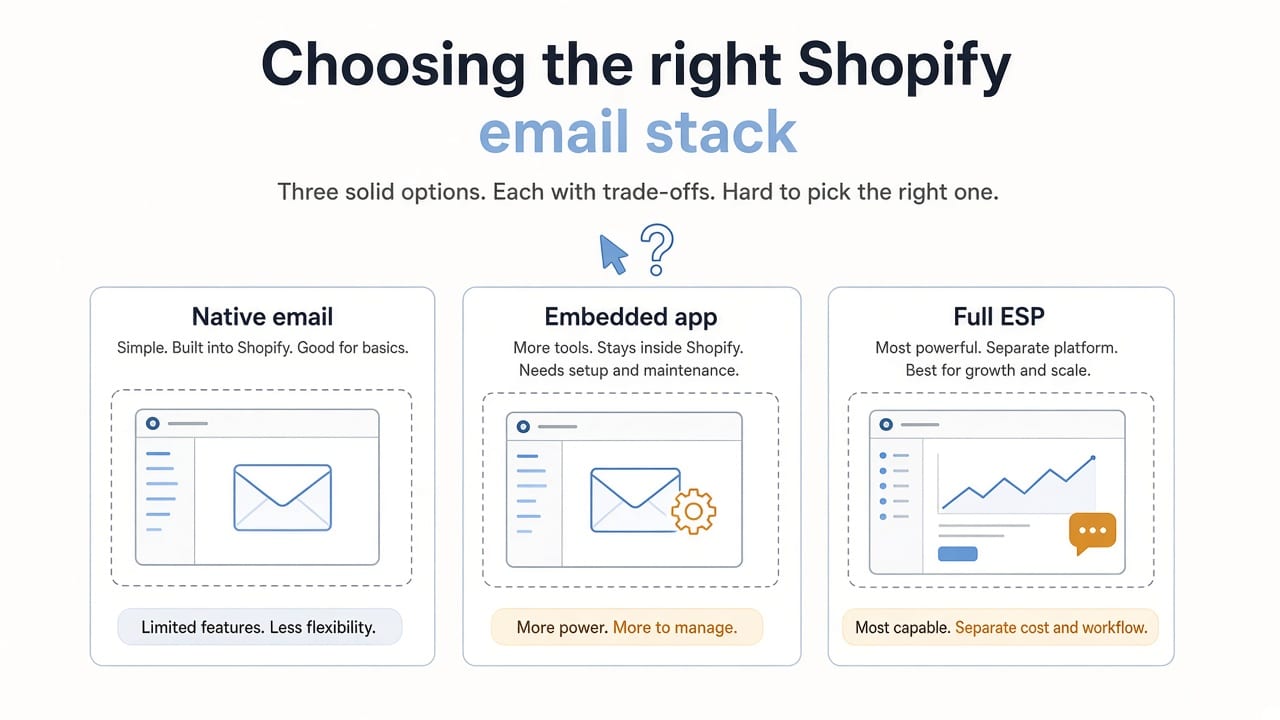
Growth StrategyOct 20, 2026
Shopify Messaging vs Klaviyo vs an Embedded Email App: Choosing Your 2026 Email Stack
A practical comparison of Shopify's native email, Klaviyo and admin-embedded apps like EmailOS: what each does well, what it costs as your list grows, and which fits your store before BFCM.
8 min read
Growth StrategyJun 30, 2026
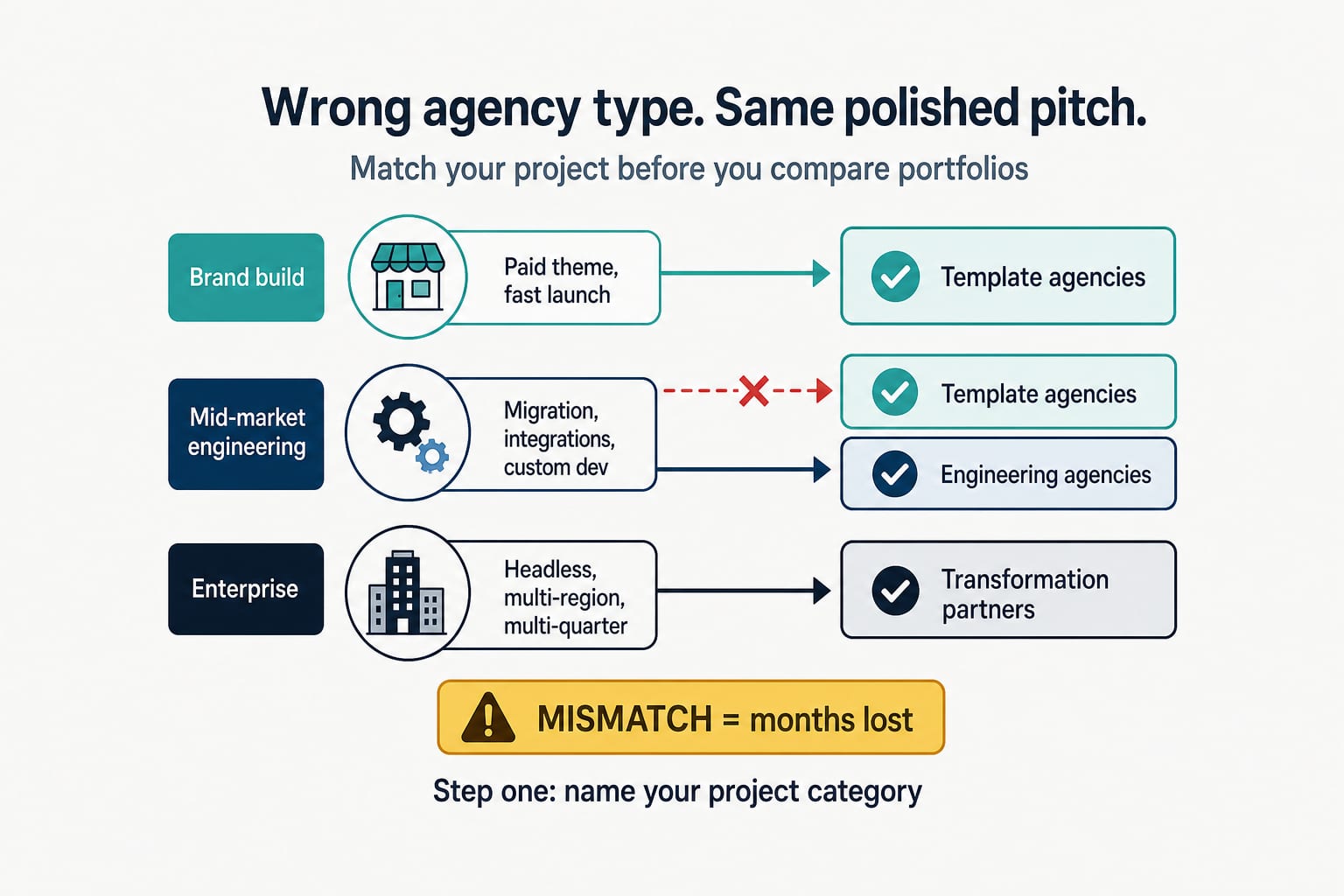
How to Choose a Shopify Agency in 2026 (and the Red Flags to Walk Away From)
Most Shopify agency selection processes are driven by vibes and a sales call. Here is the framework we would use as buyers, what to actually ask, what the answers should sound like, and the specific red flags that predict a project going sideways.
16 min read
Technical SEOApr 7, 2026
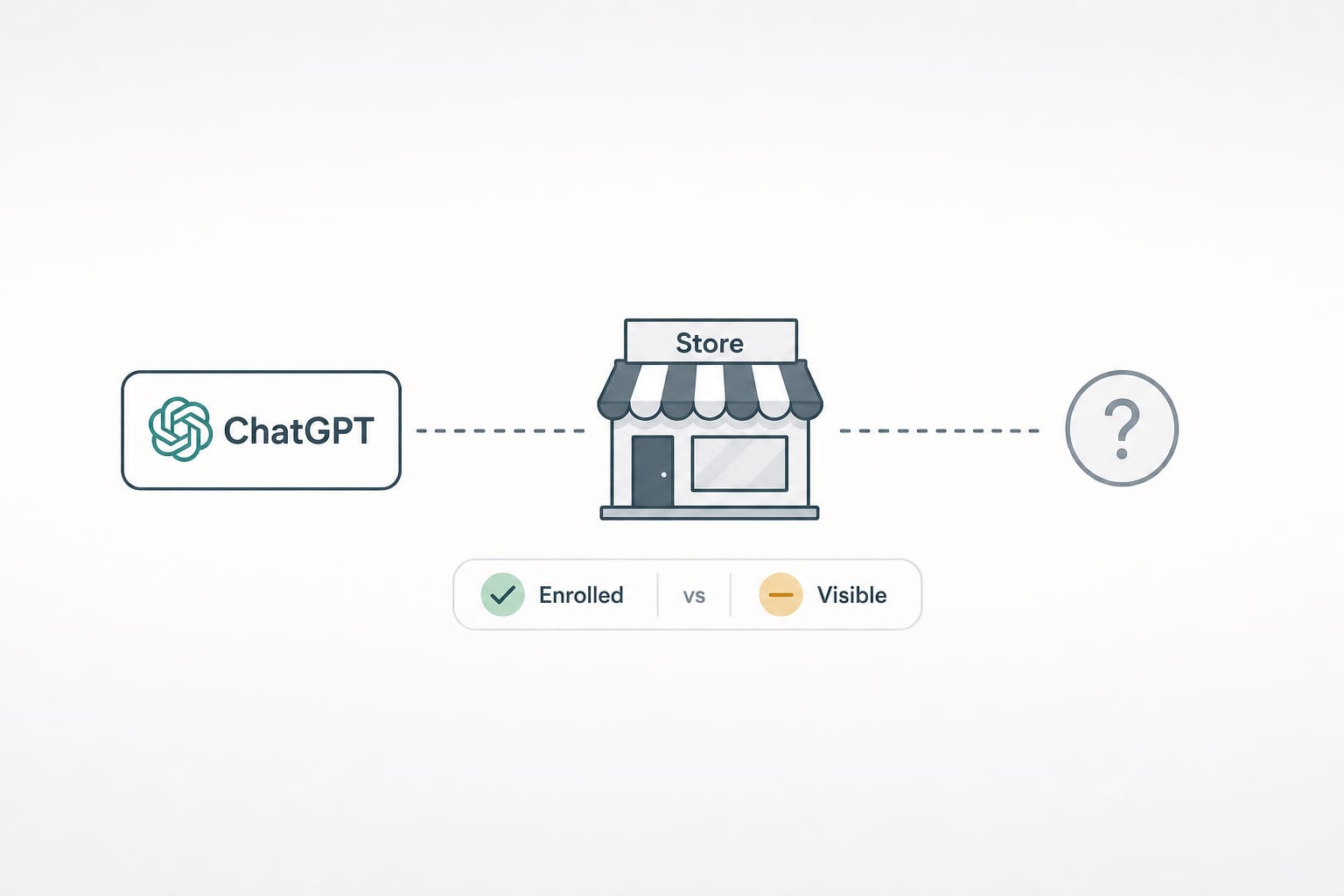
Is Your Shopify Store Discoverable Inside ChatGPT? A 10-Minute Audit for Agentic Storefronts
On March 24, 2026, Shopify made 5.6 million stores discoverable to AI agents by default. Here is the 10-minute audit we run to tell whether your store is actually getting recommended, or just enrolled.
13 min read