Shopify Messaging vs Klaviyo vs an Embedded Email App: Choosing Your 2026 Email Stack
A practical comparison of Shopify's native email, Klaviyo and admin-embedded apps like EmailOS: what each does well, what it costs as your list grows, and which fits your store before BFCM.
8 min read
Every Shopify store eventually asks the same question: is Shopify's built-in email enough, do we need Klaviyo, or is there something in between? In 2026 the answer changed for many stores, because Shopify reorganized its native email, Klaviyo's pricing model is now fully based on active profiles, and admin-embedded apps have matured.
We build email infrastructure for clients and recently shipped our own app, EmailOS. We have an interest in this comparison, so we will be explicit about where EmailOS is not the right choice.
The three options at a glance
| Shopify Messaging | Embedded app (EmailOS) | Klaviyo | |
|---|---|---|---|
| Where you work | Shopify admin | Shopify admin | Separate platform |
| Best for | New stores, simple automations | Growing stores wanting multi-step flows without a separate ESP | Brands running multi-channel lifecycle programs |
| Multi-step flows | Limited | Yes | Yes, advanced branching |
| Staff and supplier alerts | No | Yes, from the same flows | Possible with workarounds |
| SMS | No | No | Yes |
| Popups and forms | Basic | No | Yes |
| Pricing basis | Emails sent | Emails sent and flows | Active profiles |
Shopify Messaging: the native baseline
Shopify's native email product is now called Shopify Messaging. On March 24, 2026, marketing automations that send Shopify Messaging emails moved into the Shopify Messaging app, while automations driven by other apps moved to Shopify Flow. Existing automations kept running, but the place you edit them changed, so update any internal docs that still point to Marketing > Automations.
Strengths
- Included in your Shopify plan with a monthly free allowance, then usage-based pricing.
- Zero setup, native data, templates that match your theme.
- Good enough for a welcome email, a basic abandoned checkout reminder and campaign newsletters.
Limits to check
Independent guides report that multi-email sequences often have to be built as separate automations with different delays, and that A/B testing applies to campaigns rather than automated flows. Shopify ships changes frequently, so confirm the current capabilities in the Shopify Help Center before deciding.
🧭
Shopify Messaging is the right starting point if you have fewer than a few thousand subscribers and need two or three automations. Most stores outgrow it when they want conditional flows, segments based on behavior, or reporting per flow.
Klaviyo: the full lifecycle platform
Klaviyo is the default choice for Shopify brands that run serious retention programs. It offers deep segmentation, predictive analytics such as expected next order date, advanced flow branching, SMS and WhatsApp, forms and a mature reporting layer.
The pricing model matters more than the starting price
Since February 18, 2025, Klaviyo bills by active profiles: every contact you can market to counts, whether or not you email them that month. Third-party pricing trackers reported these Email plan figures in mid 2026:
| Active profiles | Approx. Email plan per month |
|---|---|
| 250 | Free (500 sends) |
| 5,000 | about $100 |
| 10,000 | about $150 |
| 20,000 | about $375 |
Prices sit behind a slider on Klaviyo's pricing page and change over time, so check the current figures for your list size. The important pattern is that abandoned checkout and signup profiles grow your bill even if they never buy, which makes list hygiene a cost control, not just a deliverability practice.
When Klaviyo is the right call
- You need SMS or WhatsApp in the same journeys as email.
- You have a lifecycle marketer who will use predictive segments and complex branching.
- Email and SMS drive a large share of revenue and justify a dedicated platform.
Embedded apps: the middle ground
Embedded apps run inside the Shopify admin and focus on automated flows rather than being a full marketing suite. EmailOS is one example, built by our team.
What EmailOS does
- Multi-step flows with trigger, wait and send steps, filters on consent, tags, spend, cart contents, location and discount codes.
- Presets for welcome, cart recovery, browse abandonment, post-purchase and winback.
- Staff and supplier alerts for backorders, dropship and wholesale orders in the same flow model.
- A visual builder with Shopify product, discount and collection pickers.
- Reusable segments with AND/OR rules, analytics with 7-day last-touch revenue attribution, and post-send actions such as tags, metafields and webhooks.
What it does not do
- No SMS, popups, review collection or list-growth forms.
- No standalone marketing dashboard outside Shopify.
Pricing
| Plan | Price | Flows | Emails per month |
|---|---|---|---|
| Free trial | $0 | 3 | 1,000 |
| Plus | $49/month | 10 | 10,000 |
| Pro | $99/month | 50 | 50,000 |
Because pricing follows email volume rather than stored profiles, a store with a large list but focused automated sending often pays less than on a profile-based plan. A store that blasts its whole list several times a week will hit send quotas faster.
Cost scenarios
These are illustrative and assume email only, no SMS.
| Store profile | Shopify Messaging | EmailOS | Klaviyo Email plan |
|---|---|---|---|
| 3,000 subscribers, about 6,000 automated emails/month | Low, mostly within the free allowance | Plus, $49 | about $70 |
| 10,000 subscribers, about 9,000 emails/month | Low to moderate | Plus, $49 | about $150 |
| 20,000 subscribers, about 40,000 emails/month | Moderate, usage-based | Pro, $99 | about $375 |
| 20,000 subscribers plus SMS | Not supported | Not supported | Email plus SMS plan |
The cheapest option is not automatically the right one. If SMS drives 20% of your BFCM revenue, Klaviyo pays for itself. If you only run five flows and a monthly newsletter, paying for profiles you never email is waste.
How to decide
- List the channels you actually use. If SMS or WhatsApp is essential, choose a multi-channel platform and stop here.
- Count your flows. Two or three simple automations fit Shopify Messaging. Five to fifty multi-step flows fit an embedded app or Klaviyo.
- Check who operates email. A dedicated lifecycle marketer gets value from Klaviyo's depth. A founder or ops team usually prefers to stay in the Shopify admin.
- Include operations. If backorder, dropship or 3PL notifications are handled by hand, an app that runs ops alerts from the same flows removes a whole category of manual work.
- Model cost at your list size in 12 months, not today.
Should you switch before Black Friday?
🗓️
Our rule for client stores: decide in October, switch in October, or wait until January. A new platform needs time to verify your sending domain, rebuild templates, warm up volume and prove that stop conditions work. November is too late to discover a broken cart recovery flow.
A safe migration path if you decide to move now:
- Rebuild your highest-revenue flows first: cart recovery, welcome and post-purchase.
- Verify your sending domain with SPF, DKIM and DMARC before the first send.
- Run the old and new flows on separate triggers or audiences for one to two weeks, never both on the same customer.
- Compare clicks and attributed revenue, then switch off the old flows.
- Freeze flow and template changes from mid November until after Cyber Monday.
Our deliverability guide for BFCM 2026 covers the authentication and warm-up steps in detail, and the BFCM 2026 engineering checklist covers the rest of the store.
When none of the three fits
Some stores need email logic that no off-the-shelf tool handles: ERP-driven triggers, B2B approval chains, multi-store routing or data that lives outside Shopify. That is where a custom Shopify app or a workflow automation built on n8n makes more sense than bending a marketing tool.
FAQ
Is Shopify Messaging enough for a new store?
Usually, yes. For a welcome email, an abandoned checkout reminder and occasional campaigns, the native tool is free to start and fully integrated. Revisit the decision when you need multi-step flows or behavior-based segments.
Is EmailOS a Klaviyo replacement?
For Shopify-native email automation, it can be: flows, a visual builder, segments and ops alerts inside the admin. It is not a replacement if you rely on SMS, popups or list-growth forms.
Why did my Klaviyo bill increase without sending more email?
Klaviyo bills by active profiles, so new signups and checkout profiles move you up a tier even if you do not email them. Suppressing unengaged profiles reduces the bill.
Can I run two email tools at the same time?
Yes, during a migration, as long as each customer only enters one tool's version of a flow. Running the same cart recovery in two tools sends duplicate emails and raises complaint rates.
Which option is best for deliverability?
None of them is inherently better. Deliverability depends on authentication with your own domain, consent, list hygiene and steady volume. Any of the three performs well when those are in place.
Related posts
View all articles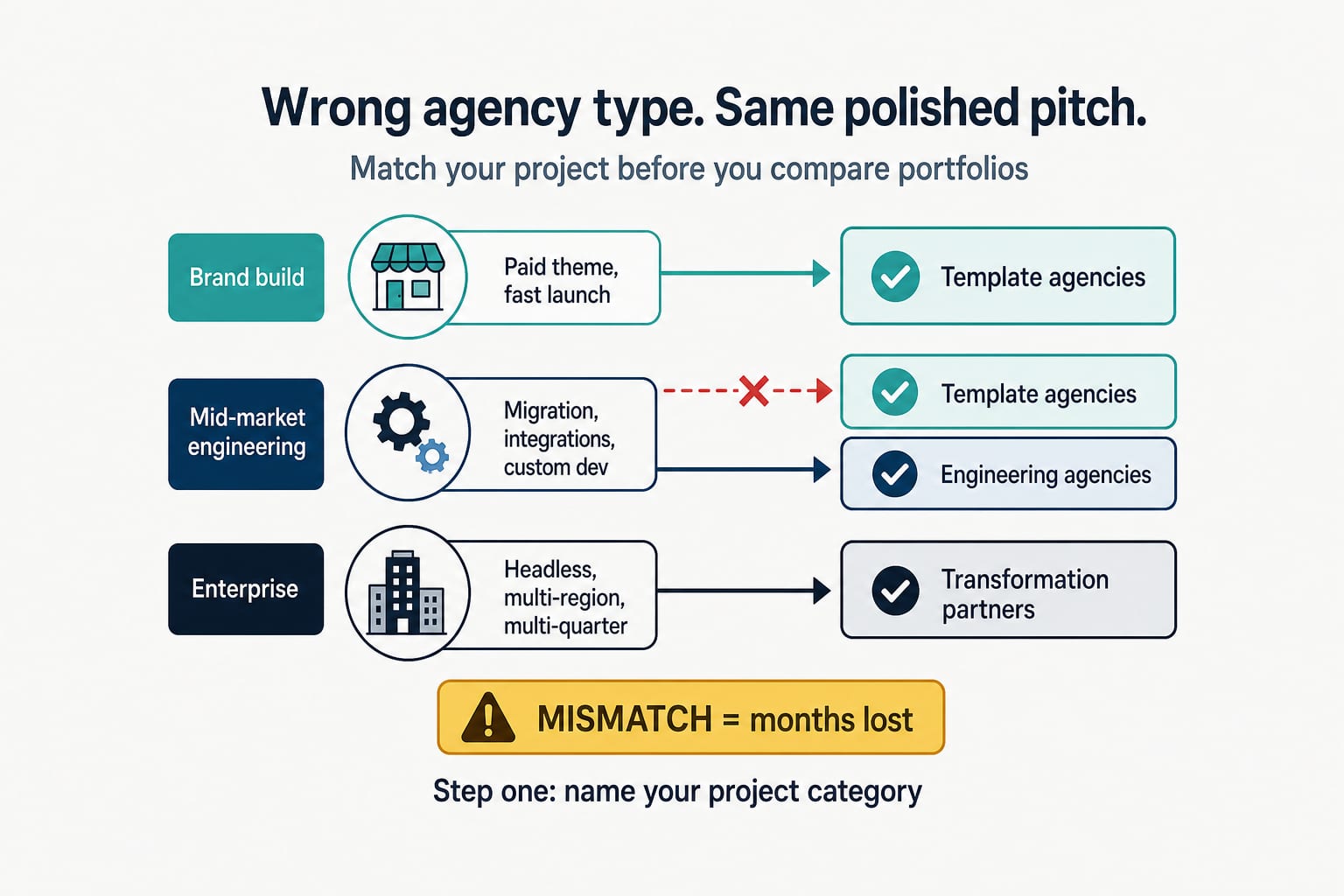
Growth StrategyJun 30, 2026
How to Choose a Shopify Agency in 2026 (and the Red Flags to Walk Away From)
Most Shopify agency selection processes are driven by vibes and a sales call. Here is the framework we would use as buyers, what to actually ask, what the answers should sound like, and the specific red flags that predict a project going sideways.
16 min read
Shopify DevelopmentOct 6, 2026
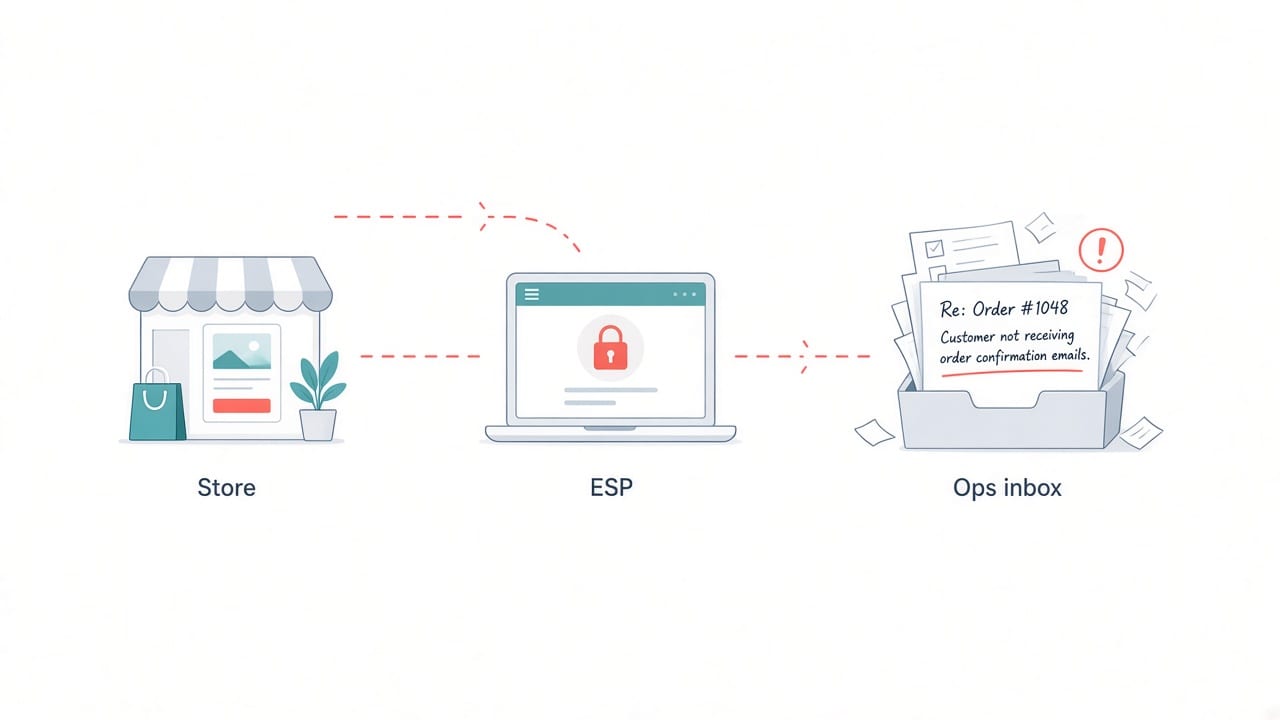
Why We Built EmailOS: Lifecycle and Ops Email Inside Shopify Admin
The engineering story behind EmailOS, our new Shopify app that runs welcome series, cart recovery, winback and staff alerts from the same flows, without leaving the Shopify admin.
9 min read
Technical SEOApr 7, 2026
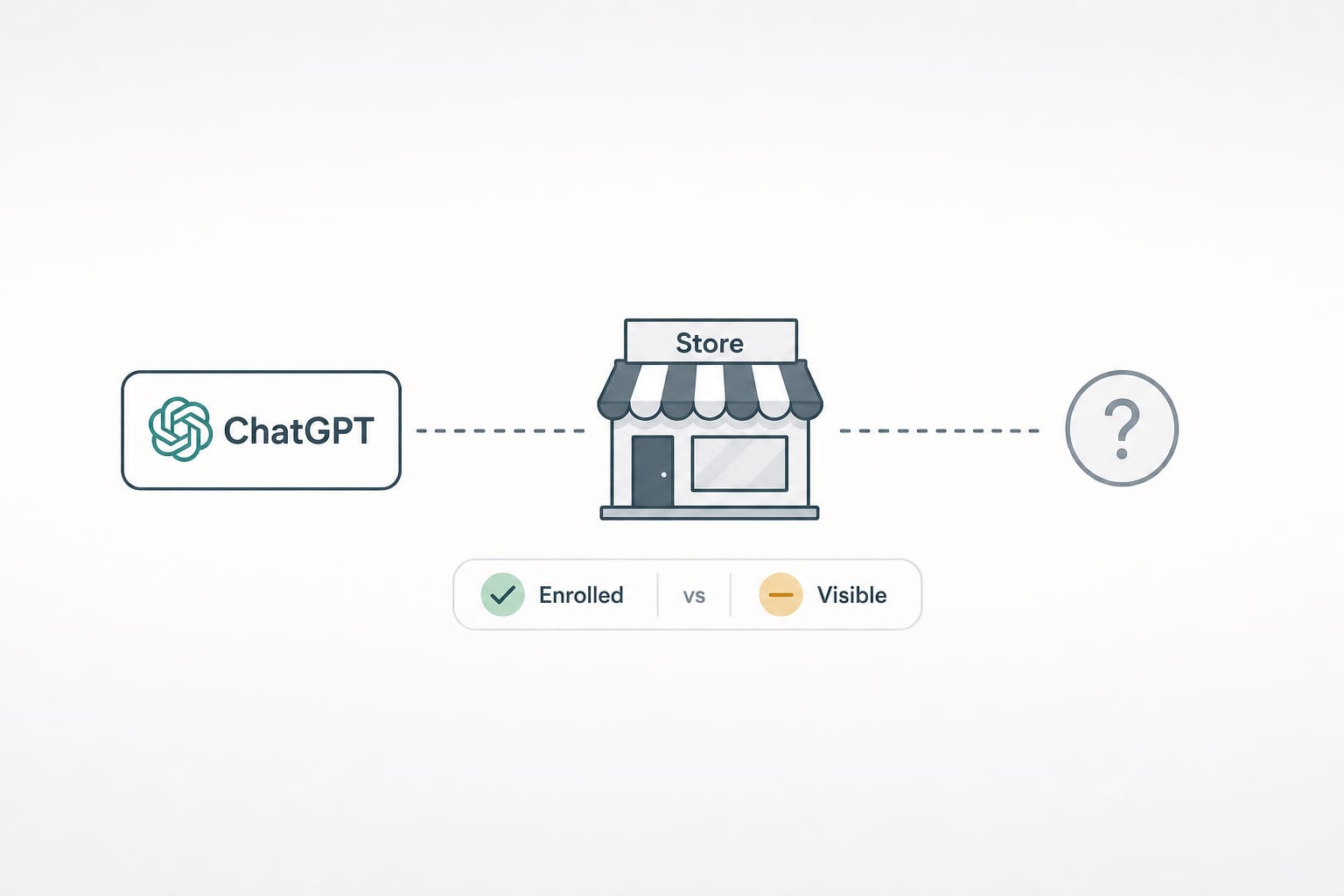
Is Your Shopify Store Discoverable Inside ChatGPT? A 10-Minute Audit for Agentic Storefronts
On March 24, 2026, Shopify made 5.6 million stores discoverable to AI agents by default. Here is the 10-minute audit we run to tell whether your store is actually getting recommended, or just enrolled.
13 min read