DDP by Default: What Managed Markets Dropping DDU Means for Cross-Border Pricing
On 24 August, Shopify Managed Markets stopped supporting Delivered Duty Unpaid in regions where it supports DDP. Duties now land at checkout. Here is what that changes for landed cost, conversion and margin.
6 min read
On 24 August, Shopify Managed Markets stopped supporting Delivered Duty Unpaid in every country and region where it supports Delivered Duty Paid. Affected markets moved to duties collected at checkout.
For merchants selling between France, the UK and Canada, which is most of the ones we work with, this is a pricing change disguised as a shipping settings change. The total the customer pays did not go up. Where they pay it did, and that difference shows up in conversion rate, in support volume and in return rates.
The two models, and why the shift matters
Under DDU, the customer paid your price at checkout and then paid duties and taxes to the carrier at delivery. Under DDP, everything is calculated and collected up front and the parcel arrives with nothing further to pay.
| DDU | DDP | |
|---|---|---|
| Checkout total | Lower | Higher, includes duties and taxes |
| Cost at delivery | Duties, taxes and often a carrier handling fee | Nothing |
| Customer surprise | High, at the door | None |
| Refusal and return rate | Elevated | Lower |
| Support burden | Significant, concentrated post-delivery | Minimal |
The reason platforms have converged on DDP is the refusal problem. A customer who is asked for an unexpected charge at their door often declines the parcel, which means you pay outbound shipping, return shipping and lose the sale. The carrier handling fee that comes with DDU collection is frequently the most resented part, because it is not the duty itself, it is an administrative charge for collecting the duty.
📦
The counterintuitive part: DDP raises your displayed price and usually improves your net economics. The lost conversions from a higher checkout total tend to be outnumbered by the refusals, returns and support costs you stop paying for.
What actually changed on your storefront
Three things, and only the first is obvious.
Checkout totals went up in affected markets. If you sell to buyers outside your fulfilment country, their checkout total now includes duties that previously arrived later. Depending on the category and route, that can be a noticeable percentage.
Your price comparison position changed. If a competitor still quotes DDU prices, or sells domestically in that market, your product now looks more expensive at the point of comparison even though the customer's total cost is the same or lower. This is the effect most likely to show up as an unexplained conversion drop in your international markets during late August.
Your margin exposure changed shape. Under DDP, duty calculation errors are yours. Under DDU, they were the carrier's problem and the customer's problem. Getting HS codes and country of origin right on your products moved from a compliance nicety to a margin input.
The audit worth running this week
- Compare international conversion rate across 24 August. Segment by destination market. A drop confined to markets that moved from DDU to DDP is a pricing perception effect, not a site problem. Do not go looking for a technical cause you will not find.
- Check HS code coverage across your catalogue. Products without an HS code and country of origin get estimated duty treatment, and estimates are conservative. That conservatism comes out of your margin or your conversion rate.
- Recalculate landed cost by market. For your top ten products in each international market, work out the new total a customer sees. Then compare it against what a domestic competitor in that market charges.
- Review your free shipping thresholds. A threshold set when duties were invisible may now sit in the wrong place relative to a total that includes them.
- Update your pre-purchase messaging. The single highest return change is saying clearly and early that duties are included and nothing will be owed on delivery. Under DDU that message did not exist. Under DDP it is a conversion asset and most stores have not added it.
🏷️
HS code coverage is the quiet one. It is catalogue data work rather than engineering, it sits alongside the structured attribute work that agentic discovery also needs, and it is the kind of thing that is cheap in September and expensive in November. Our piece on catalogue readiness covers the broader data hygiene argument.
Messaging is where the recovery is
If your international conversion rate dipped, the fix is usually not a discount. It is telling the customer what they are now getting.
The three places that matter:
- Product page, near the price. A short line stating that duties and taxes are included for their destination. Not a footnote, and not buried in a shipping policy page.
- Cart, before checkout. Where the total first becomes visible, the reason for it should be visible too.
- Post-purchase confirmation. Explicitly say that nothing further will be owed at delivery. This is the sentence that prevents the support ticket and the refused parcel.
For multi-market stores this is a localisation task as much as a copy task. The message needs to be correct per destination market, which means it has to be driven by the same market configuration that determines the duty treatment rather than hardcoded into the theme. If you are already running market-specific content, our hreflang setup guide covers the structural side of getting the right version to the right buyer.
The October change to plan for now
There is a related change already announced. Market-driven shipping begins rolling out from 1 October, which affects how shipping is configured and presented per market. If you are reviewing cross-border pricing this month anyway, do the shipping configuration review at the same time rather than revisiting the same settings twice in six weeks.
That also puts both changes safely ahead of the peak freeze, which matters more than usual this year given how much has already shifted in the checkout stack since June.
🌍
We work with merchants selling across France, the UK and Canada on cross-border configuration, landed cost accuracy and market-specific storefront logic. See our Shopify migration work or talk to us.
Frequently asked questions
Did my customers' total cost go up?
Usually not, and often it went down, since DDP removes the carrier handling fee that came with collecting duties at delivery. What changed is that the cost is now visible at checkout instead of at the door.
Why did my international conversion rate drop?
Most likely because your displayed total rose while competitors' displayed totals did not. This is a comparison and messaging problem rather than a genuine price problem, and clear pre-purchase messaging recovers a good share of it.
Do I need HS codes on every product?
You want them on everything you ship internationally. Without an HS code and country of origin, duty is estimated conservatively, which costs you either margin or conversion depending on who absorbs it.
Can I still offer DDU anywhere?
Not through Managed Markets in regions where DDP is supported, which is the point of the 24 August change. Merchants running their own carrier relationships outside Managed Markets are in a different position.
Should I absorb the duties into my product price instead?
Some brands do, presenting a single all-inclusive price per market. It simplifies the customer experience and complicates your pricing operations. It is a reasonable choice for a small catalogue and a difficult one for a large, frequently changing one.
Related Topics
Related posts
View all articles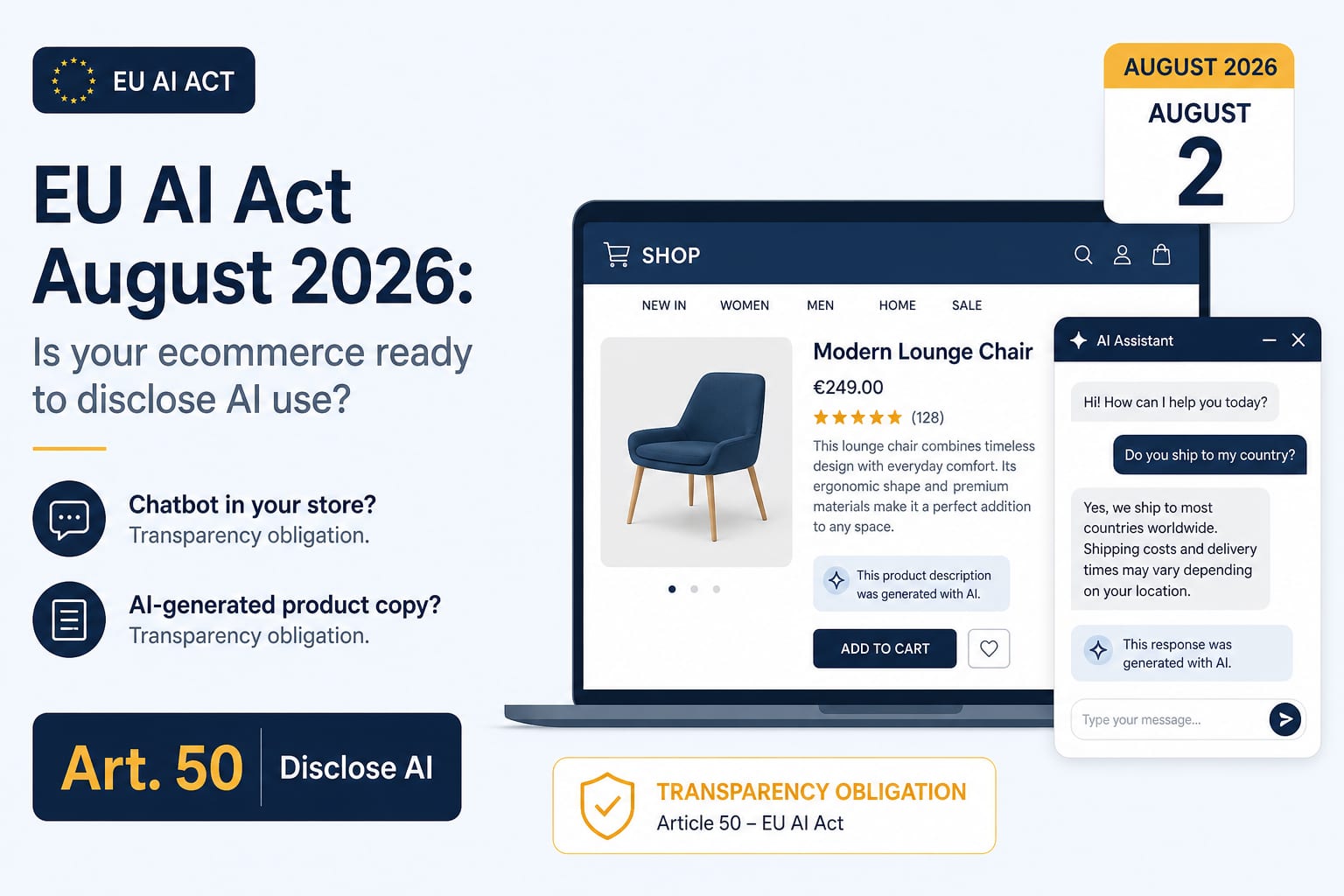
Growth StrategyAug 4, 2026
The EU AI Act on 2 August 2026: What Actually Applies to Ecommerce Now
Article 50 transparency obligations became enforceable on 2 August. High-risk duties were deferred to December 2027. Here is what that split means for stores running chatbots, AI merchandising and generated product content.
7 min read
Performance OptimizationJul 28, 2026
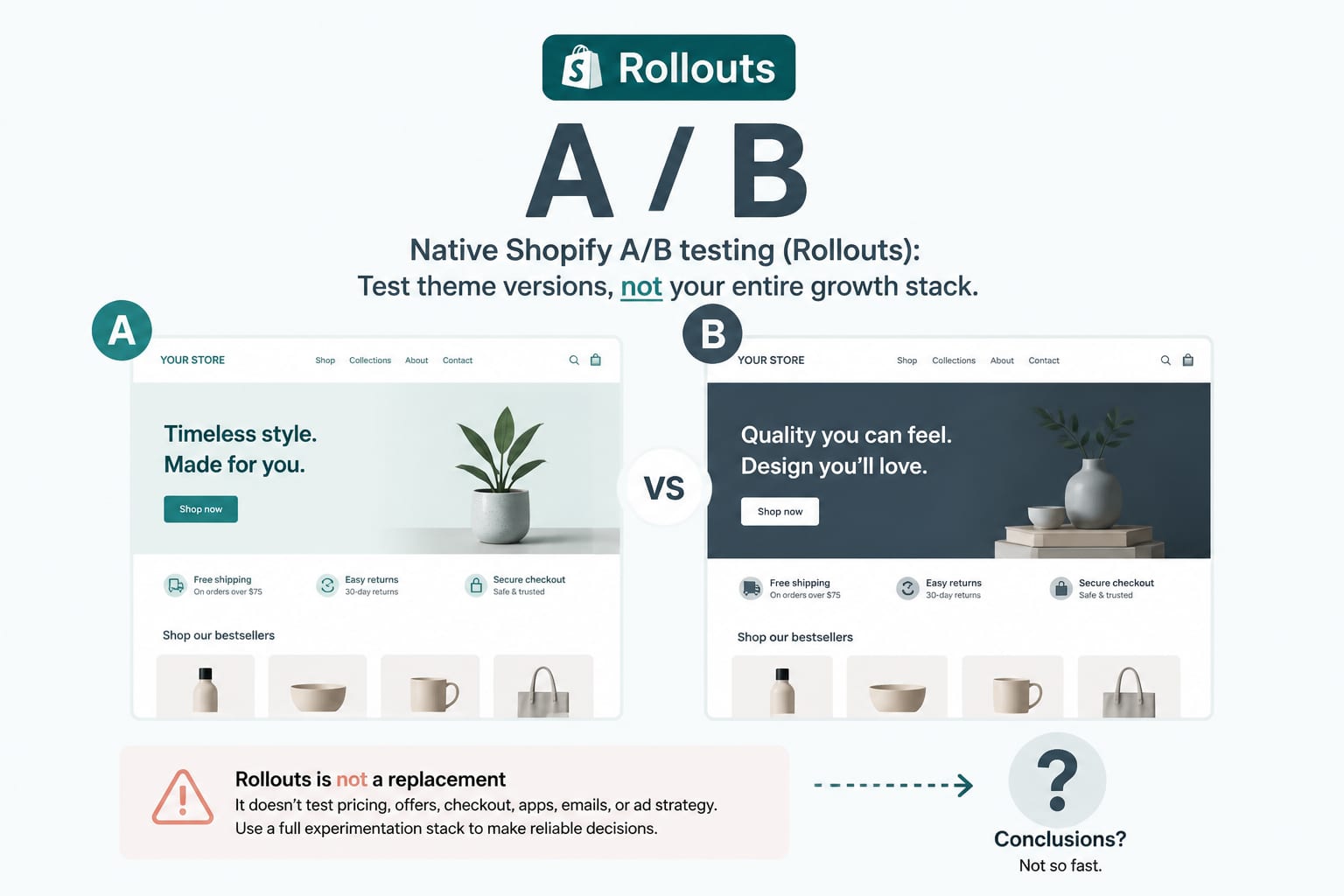
Shopify's Native A/B Testing: What Rollouts Replaces and What It Does Not
Summer '26 shipped native split testing for themes and checkout configurations. A developer's assessment of where it removes a tool from your stack, where it does not, and how to avoid drawing wrong conclusions from it.
7 min read
Technical SEOJul 21, 2026
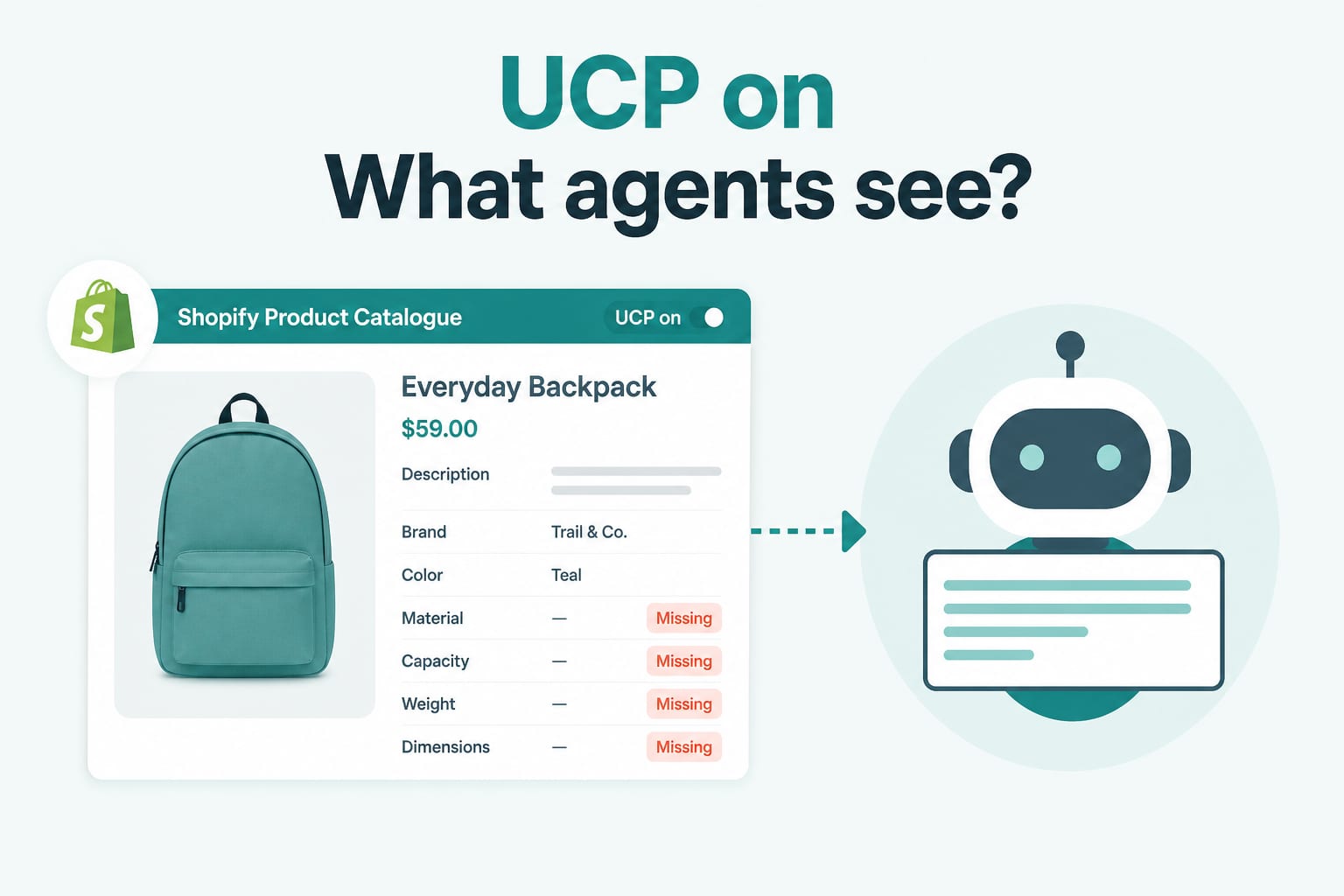
UCP Is On by Default: Is Your Shopify Catalogue Ready for AI Agents?
Summer '26 turned on the Universal Commerce Protocol for every Shopify store and added an Agentic section to the admin. Your products are already exposed to AI shopping agents. Here is how to audit what they actually see.
7 min read